It’s no surprise that Back Bay is not only one of Boston’s most popular neighborhoods, but one of America’s most-visited and well-loved places to boot. With Boston and Back Bay real estate booming, it’s also no surprise that many people are looking to move to a bustling, vibrant place like Back Bay. Picturesque waterfront views line this neighborhood’s backdrop, bike trails and parks tap into the outdoors-man in us all, and boutiques and eateries contribute to the awe of this neighborhood.
Back Bay has gone through a lot of change throughout the century, and each and every chapter of this neighborhood’s life contributes to an incredible story and rich Back Bay real estate market.
History of Back Bay
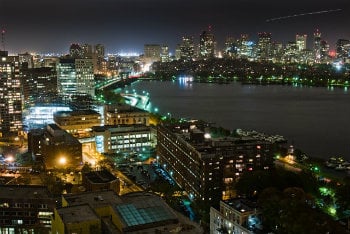
Long before the Prudential Tower and the John Hancock Tower helped to define Boston skyline, Back Bay was an actual bay separating Boston from Cambridge. As a tidal marsh bay, the water level in Back rose and fell daily with the tides revealing marshy wetlands when the tide was out. The bay bed began to be filled in during the late 1800s after a project to build a mill dam and toll road from Boston to Newton was unsuccessful. That milldam may very well have been the last unsuccessful project in Back Bay.
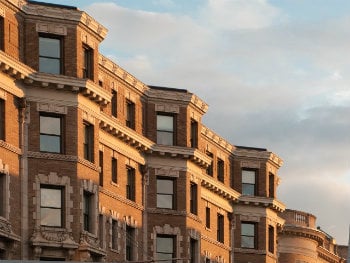
In 1856, architect Arthur Gilman, influenced by recent visits to Paris, began the building of Back Bay as a planned, fashionable residential neighborhood. Gilman envisioned parallel avenues that were lined with trees and wider than other streets in Boston. This influence is clearly evident in the east-west roads, Beacon Street through Boylston Street and the north-south roads which intersect them. Due to unexpected delays, the bay was filled in slowly one block at a time. As a result, you can see the progression of a Back Bay as a neighborhood in the architectural changes from one block to the next.
The first commercial buildings in Back Bay began to be built on Newbury Street in the 1880s and then on Boylston Street in the early 1900s. Although some of this commercial development involved the creation of new buildings, many businesses repurposed the current residential buildings for commercial enterprises. As a result, even as the neighborhood shifted from primarily residential to a greater mix of commercial and residential, the distinctive and cohesive architecture of Back Bay remained. In order to preserve the unique character of this coveted neighborhood, Boston created the Back Bay Architectural Commission to regular changes to the exteriors of buildings in Back Bay. The neighborhood is also listed on the National Register of Historic Places.
What Is It Like?
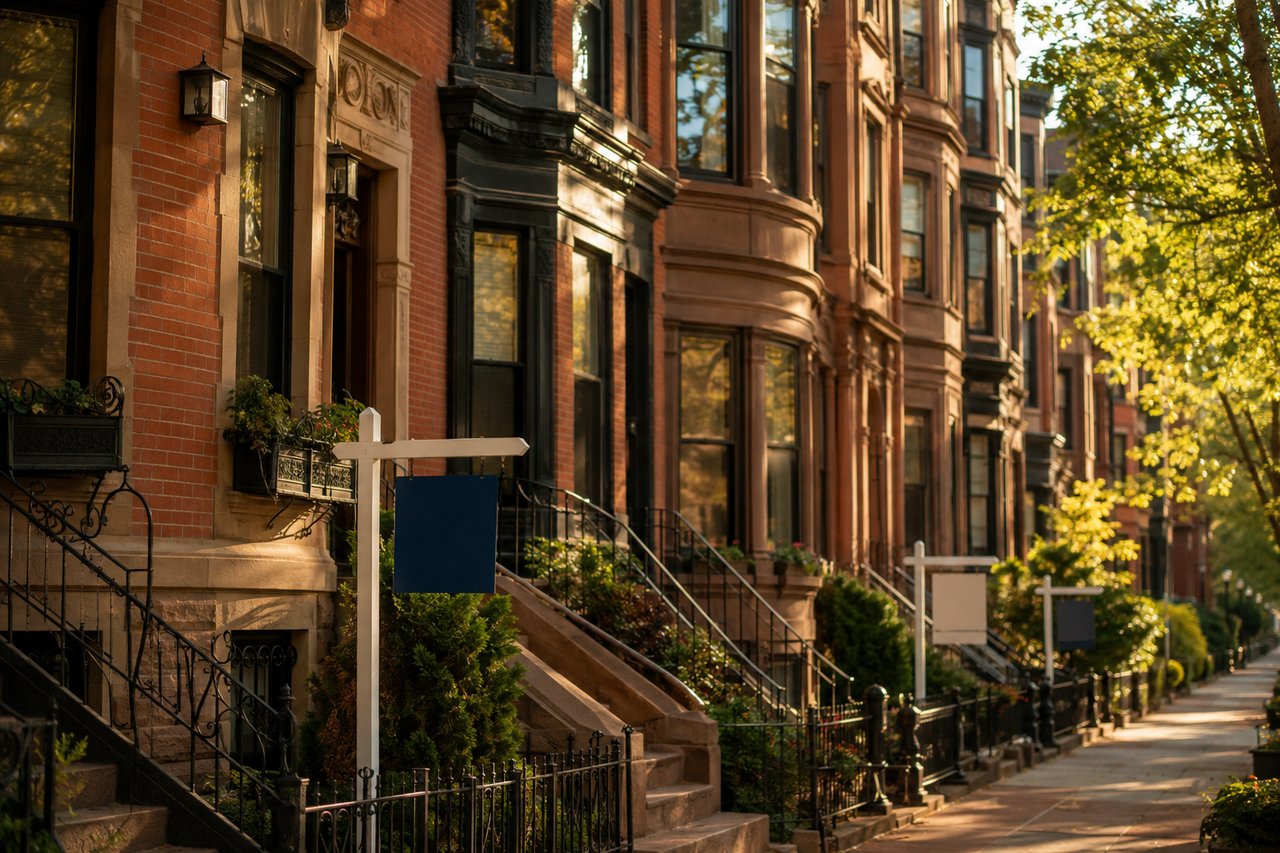
From its wide, tree-lined corridors and iconic rows of brownstone houses to the boutiques and specialty shops along Newbury Street, Back Bay is unlike any other neighborhood in Boston. Residents of Back Bay have a wealth of trendy restaurants, chic salons, boutique offices, and unique shops including international retailers all within easy walking distance.
In addition to the fantastic shops, Back Bay is home to some of the most beautiful green spaces in Boston.
The Charles River Esplanade is a stunning riverside park that runs for the entirety of the riverfront border of Back Bay and beyond. Playgrounds, recreational facilities, and community events are only a few of the things that draw millions of visitors to the Esplanade each year. All summer long, the Hatch Shell presents free public concerts. The Boston Pops, Boston Landmarks Orchestra, and guest performers fill the summer air with music. Although no summer concert event is as anticipated or well-loved as the annual Fourth of July Boston Pops Fireworks Spectacular. This free, public celebration is a two-day event and draws crowds from around the world to the Hatch Shell on the Charles River Esplanade.