Lewis Wharf, at 28 Atlantic Avenue on Boston's Waterfront, is a six-story condominium building created in 1973 from a mid-19th-century granite warehouse on Boston Harbor.
The wharf has deep roots in the city's history. It was once part of Clark's Wharf, later owned by Thomas Hancock and inherited by John Hancock, and the Lewis Wharf Company was formed in 1834. Its Quincy granite warehouse is among Boston's earliest granite masonry buildings. Architect Carl Koch led the residential conversion, adding two stories of apartments above the original structure, which now holds commercial space on its lower floors and residences above.
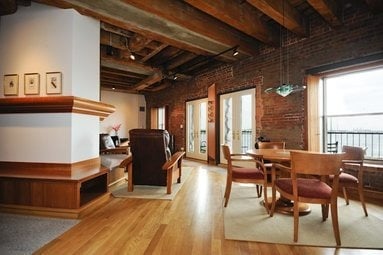
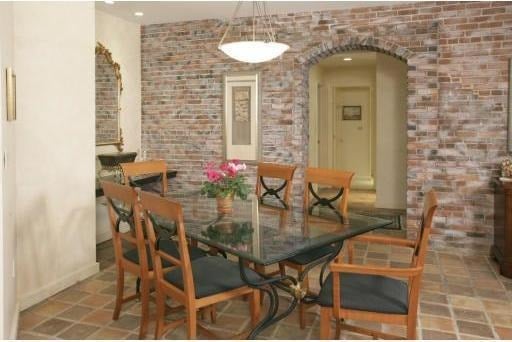
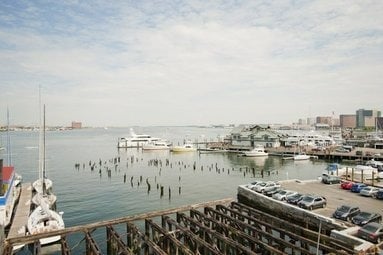
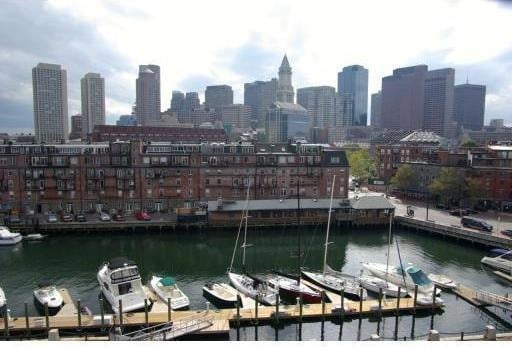
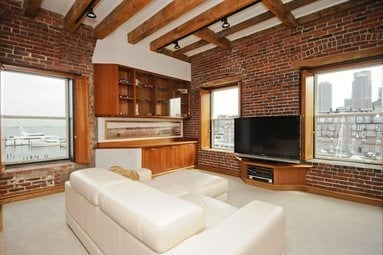
Homes range from loft-style studios to residences with up to three bedrooms, including combined units of more than 2,000 square feet. Exposed brick and timber beams, high ceilings, and wood-burning fireplaces give each residence a character that new construction rarely matches, and many homes have balconies or views across the harbor.
Residents enjoy a 24-hour concierge and security, an outdoor pool on the waterfront, landscaped gardens, a roof deck, and valet garage parking.
The location blends historic and modern Boston. Lewis Wharf sits on Atlantic Avenue between Sargents Wharf and Commercial Wharf, with the cafés and restaurants of the North End just across the street and Faneuil Hall a short walk away. The Harborwalk runs along the water, the Rose Kennedy Greenway is nearby, and the Aquarium Blue Line station is close by, with Green and Orange Line service a few blocks inland. Neighboring wharf residences include Commercial Wharf and Battery Wharf.
For buyers drawn to authentic historic architecture with direct harbor frontage, Lewis Wharf remains one of the Waterfront's most distinctive addresses.
