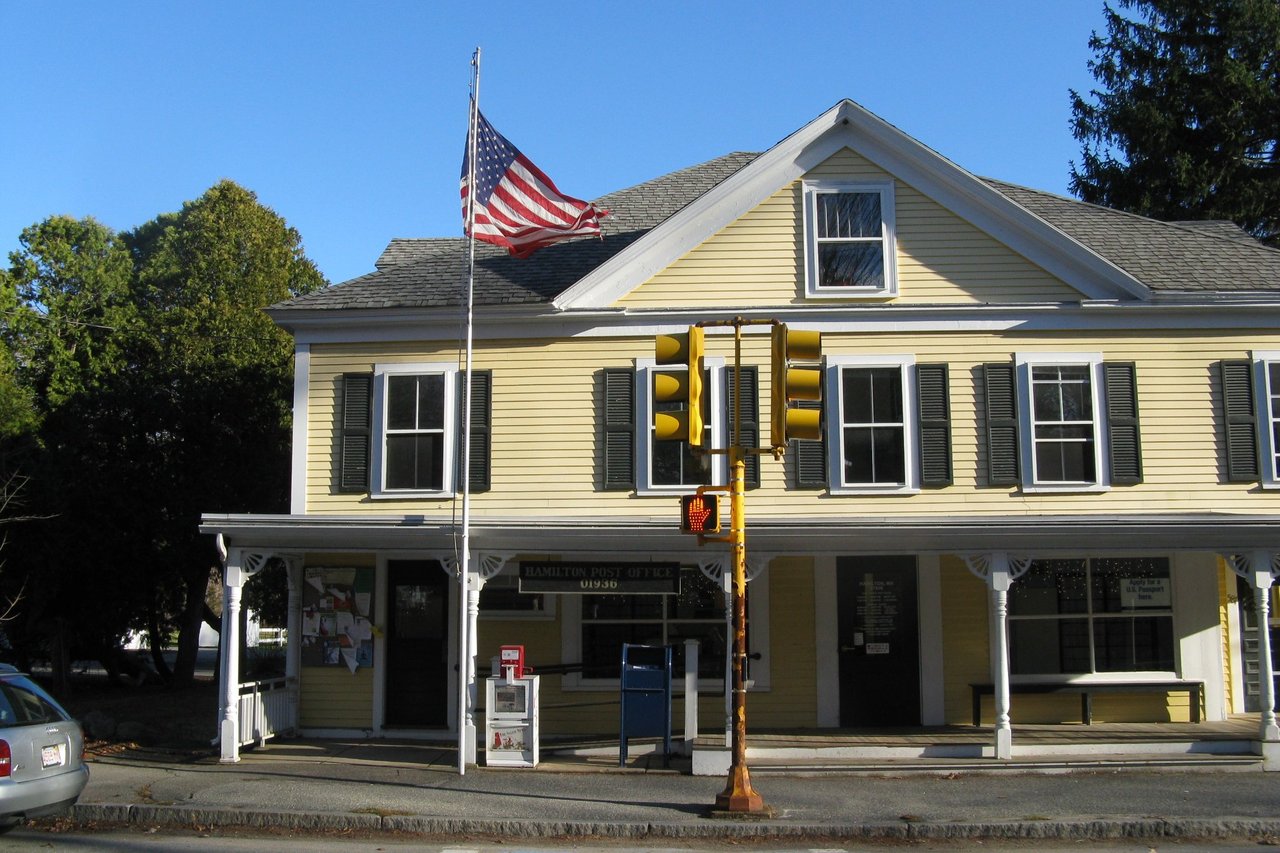
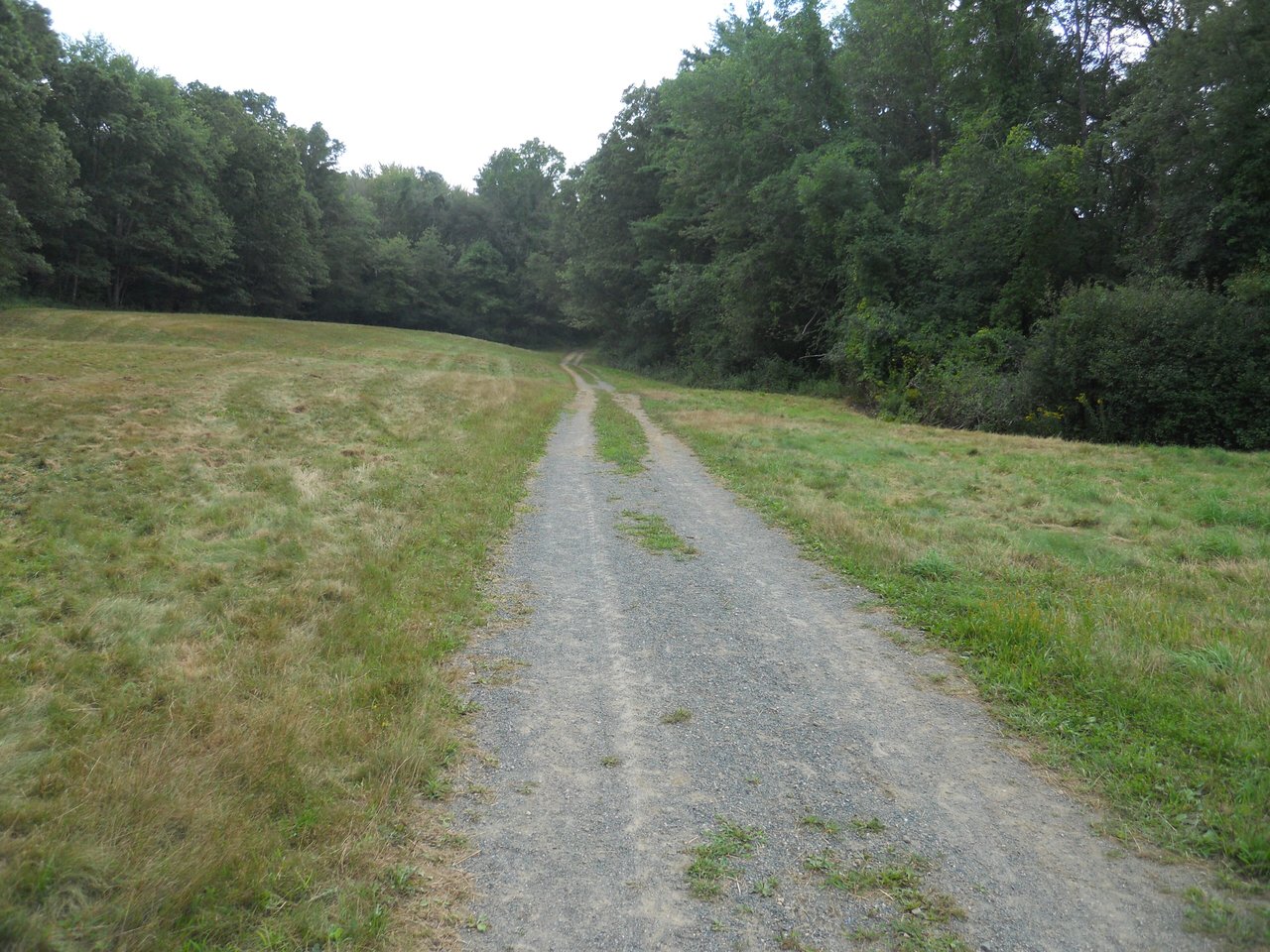
Hamilton is a town in Essex County about 23 miles northeast of Boston, along Route 1A between Ipswich and Wenham. It pairs a historic stretch of Bay Road and a small downtown in South Hamilton with horse farms, Appleton Farms, Bradley Palmer State Park, and a commuter rail station on the Wenham line.
Hamilton was settled in 1638 as part of Ipswich and was known as the Hamlet. Bay Road, now Route 1A, was laid out through the area in 1641, the Hamlet became its own parish in the early 1700s, and the town was incorporated on June 21, 1793, and named for Alexander Hamilton. It was a farming town for generations. The railroad arrived in 1839, and shops grew up around the depot in South Hamilton, while the Asbury Grove camp meeting held its first gathering in 1859.
The Myopia Hunt Club moved to Hamilton in the 1880s and hosted the U.S. Open four times between 1898 and 1908. After 1915 many farms became estates, and horse farms became an important part of town life. General George S. Patton's family home was in Hamilton. Hamilton borders Ipswich to the north, Essex to the east, Manchester-by-the-Sea to the southeast, Wenham to the south, and Topsfield to the west.
Hamilton/Wenham station, on Bay Road at the Wenham line, is on the Newburyport branch of the MBTA Newburyport/Rockport Line, with direct service to North Station in Boston. There are no regular MBTA bus routes in town. Route 1A runs north and south through the center, Route 22 crosses the east side of town, and Route 128 is reached via the Route 1A exit in Beverly.
Hamilton real estate ranges from Colonial houses on Bay Road to estates on the northern hills. Five-bay, center-chimney Colonials are the most common early houses, along with a few saltboxes. The Hamilton Historic District, listed on the National Register in 1973 and protected as a local historic district since 1972, runs along Bay Road from Orchard Road to Cutler Road, with mostly 19th-century Greek Revival houses, early Georgian homes including a saltbox from about 1700, the 1843 First Congregational Church, and the late-1890s Town Hall.
In the late 1800s South Hamilton filled in with gable-front and Stick Style houses, Asbury Street gained Shingle and Colonial Revival homes, and estates went up on the northern hills. Dutch Colonials and postwar Capes followed in the 1900s. The Asbury Grove Historic District, listed in 2009, keeps more than 150 cottages from the 1870s arranged around a circular plan. Areas include Hamilton center, South Hamilton, Asbury Grove, and North Hamilton.
Patton Park in downtown Hamilton has ball fields, tennis and basketball courts, a playground, the Veterans Memorial Pool, and a World War II Sherman tank. The Patton Homestead, given to the town by the Patton family, is now a cultural center on the Ipswich River with grounds open for walking. The Community House on Bay Road, built in 1921 as a World War I memorial, is held in trust for Hamilton and Wenham residents, and the two towns share a public library.
Appleton Farms, established in 1638 and run by the Trustees, is one of the oldest continuously operating farms in the country and stretches into Ipswich, with nearly 12 miles of trails including the Grass Rides. Bradley Palmer State Park covers more than 700 acres in Hamilton and Topsfield along the Ipswich River, with trails for walking, biking, and horseback riding. Chebacco Lake, a great pond shared with Essex, has a state boat ramp.
What kinds of homes are in Hamilton?
Hamilton has Colonial, Georgian, and Greek Revival houses along historic Bay Road, late 1800s homes in South Hamilton and on Asbury Street, cottages at Asbury Grove, estates and horse farms on the northern hills, and Dutch Colonials and Capes from the 1900s.
How do you get to Boston from Hamilton?
Hamilton/Wenham station on the MBTA Newburyport/Rockport Line has direct trains to North Station. By car, Route 1A heads south through Wenham and Beverly to Route 128.
Why is it called Hamilton?
Hamilton was known as the Hamlet when it was part of Ipswich. When it became a town in 1793, it was named for Alexander Hamilton.
To see homes for sale in Hamilton, browse the listings below. Thinking of buying or selling in Hamilton? Call (617) 848-9616 or get a free home valuation. Hamilton is part of our North of Boston guide.
Photos: John Phelan, CC BY-SA 3.0 and Botteville, CC BY-SA 3.0, via Wikimedia Commons.
7,600 people live in Hamilton, where the median age is 44 and the average individual income is $62,054. Data provided by the U.S. Census Bureau.
Total Population
Median Age
Population Density Population Density This is the number of people per square mile in a neighborhood.
Average individual Income
There's plenty to do around Hamilton, including shopping, dining, nightlife, parks, and more. Data provided by Walk Score and Yelp.
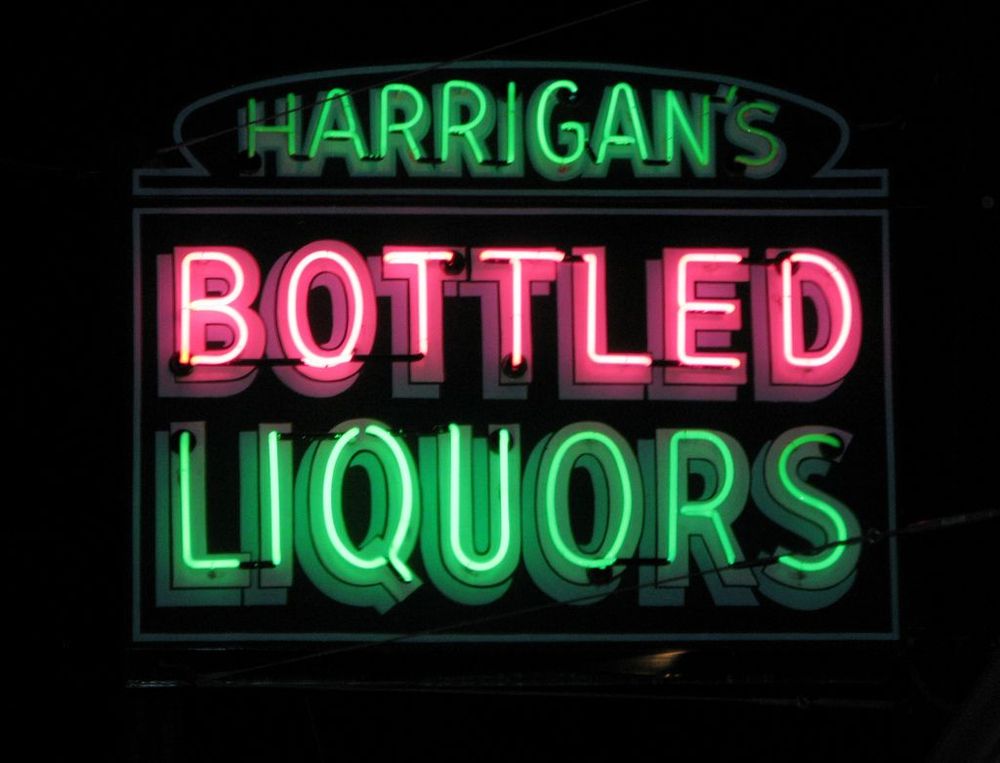
Explore popular things to do in the area, including Harrigan's Package Store, Hamilton Convenient Store, and Dunkin'.
| Name | Category | Distance | Reviews |
Ratings by
Yelp
|
|---|---|---|---|---|
| Dining · $$$$ | 0.7 miles | 5 reviews | 3.6/5 stars | |
| Dining | 1.3 miles | 0 reviews | 0/5 stars | |
| Dining · $ | 1.38 miles | 17 reviews | 2.8/5 stars | |
| Dining | 1.41 miles | 0 reviews | 0/5 stars | |
| Shopping | 0.48 miles | 0 reviews | 0/5 stars | |
| Active | 1.2 miles | 1 review | 4/5 stars | |
| Active | 1.41 miles | 1 review | 5/5 stars | |
| Active | 1.51 miles | 0 reviews | 0/5 stars | |
| Active | 2.28 miles | 1 review | 3/5 stars | |
| Beauty | 0.58 miles | 0 reviews | 0/5 stars | |
| Beauty | 1.3 miles | 0 reviews | 0/5 stars | |
| Beauty | 1.31 miles | 6 reviews | 5/5 stars | |
| Beauty | 1.4 miles | 7 reviews | 5/5 stars | |
| Beauty | 1.43 miles | 1 review | 5/5 stars | |
|
|
||||
|
|
||||
|
|
||||
|
|
||||
|
|
||||
|
|
Hamilton has 2,644 households, with an average household size of 3. Data provided by the U.S. Census Bureau. Here’s what the people living in Hamilton do for work — and how long it takes them to get there. Data provided by the U.S. Census Bureau. 7,600 people call Hamilton home. The population density is 1,584 and the largest age group is Data provided by the U.S. Census Bureau.
Total Population
Population Density Population Density This is the number of people per square mile in a neighborhood.
Median Age
Men vs Women
Population by Age Group
0-9 Years
10-17 Years
18-24 Years
25-64 Years
65-74 Years
75+ Years
Education Level
Total Households
Average Household Size
Average individual Income
Households with Children
With Children:
Without Children:
Marital Status
Blue vs White Collar Workers
Blue Collar:
White Collar: