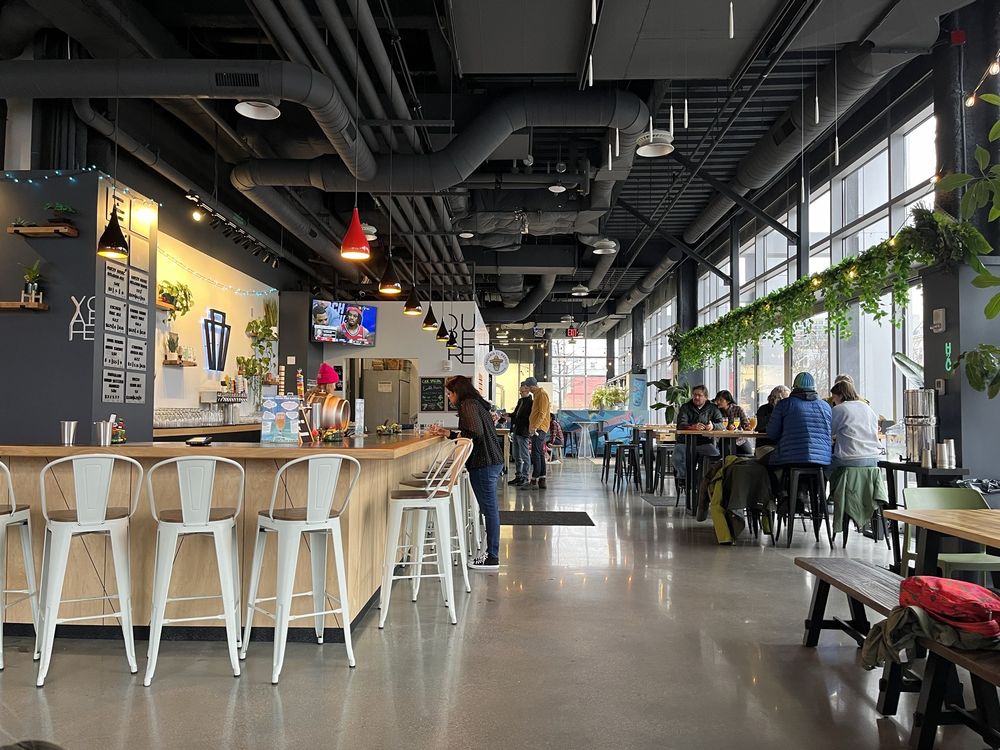
The Theater District is the compact area of downtown Boston along Tremont, Washington, Boylston and Stuart Streets where the city's historic stages are concentrated. It sits at the southeast corner of Boston Common, with Midtown and Downtown Crossing to the north, Chinatown to the east, and Bay Village and the South End to the southwest and south.
Theater has filled these streets for more than a century. The Colonial Theatre opened in December 1900 and is the oldest continuously operating theater in the city. The Majestic, now the Cutler Majestic, followed in 1903, the Shubert in 1910, and the Metropolitan, now the Wang Theatre, in 1925. The Boston Opera House opened in 1928 as the B.F. Keith Memorial Theatre, designed by the theater architect Thomas W. Lamb, and reopened in 2004 after a restoration. Today the Wang and the Shubert together make up the Boch Center, and the Wilbur and the Paramount add smaller stages.
The district's history runs underground too. Boylston station, at the corner of Tremont and Boylston Streets, opened in 1897 as part of the Tremont Street subway, the oldest subway tunnel in North America, and it keeps much of its original appearance. On Washington Street, a row of buildings that includes the Opera House and the 1932 Paramount Theatre is listed on the National Register of Historic Places as the Washington Street Theatre District.
Boylston station serves all four branches of the Green Line, and Park Street, a short walk north along the Common, adds the Red Line. Chinatown and Tufts Medical Center stations are on the Orange Line, and Silver Line buses run along Washington Street. South Station is within walking distance, and the Massachusetts Turnpike and Interstate 93 are close by.
Homes in the Theater District are mostly in high-rise towers built since the late 2000s, offering condominium and rental residences with concierge service, garage parking and views over Boston Common and the skyline. Hotel-branded living is part of the mix, with condominiums above a hotel on Stuart Street.
Theater District buildings on our site include:
The Ritz-Carlton and Millennium Place towers on Avery Street, a block north, are covered on our Midtown page.
Evenings revolve around the stages, with touring Broadway productions, concerts, comedy and dance, and Boston Ballet performing at the Opera House. Boston Common and the Public Garden are steps away for daytime walks, Chinatown's restaurants and bakeries are a few blocks east, and the shops of Downtown Crossing are a short walk north. Tufts Medical Center anchors the southern edge of the district.
What kinds of homes are in the Theater District?
Homes are mostly in high-rise towers built since the late 2000s, offering condominium and rental residences with concierge service, garage parking and views over Boston Common and the skyline. Hotel-branded living is part of the mix, with condominiums above a hotel on Stuart Street.
How do you get around from the Theater District?
Boylston station serves all four branches of the Green Line, and Park Street, a short walk north, adds the Red Line. Chinatown and Tufts Medical Center stations are on the Orange Line, Silver Line buses run along Washington Street, and South Station is within walking distance.
What theaters are in the Theater District?
The Colonial Theatre, opened in 1900, is the oldest continuously operating theater in the city. The district also includes the Cutler Majestic, the Boston Opera House, the Wilbur, the Paramount, and the Wang and Shubert theaters, which together make up the Boch Center.
To see homes for sale in the Theater District, browse the listings below. Thinking of buying or selling in the Theater District? Call (617) 848-9616 or get a free home valuation. The Theater District is part of our Boston neighborhood guide.
6,215 people live in Theater District, where the median age is 29 and the average individual income is $64,392. Data provided by the U.S. Census Bureau.
Total Population
Median Age
Population Density Population Density This is the number of people per square mile in a neighborhood.
Average individual Income
There's plenty to do around Theater District, including shopping, dining, nightlife, parks, and more. Data provided by Walk Score and Yelp.
Explore popular things to do in the area, including Thank U Mex, Ember Smoked BBQ, and City Brew Tours.
| Name | Category | Distance | Reviews |
Ratings by
Yelp
|
|---|---|---|---|---|
| Dining | 0.06 miles | 0 reviews | 0/5 stars | |
| Dining | 0.07 miles | 2 reviews | 1/5 stars | |
| Dining · $$ | 0.13 miles | 282 reviews | 4.8/5 stars | |
| Dining | 0.13 miles | 2 reviews | 5/5 stars | |
| Dining · $$ | 0.17 miles | 40 reviews | 2.3/5 stars | |
| Active | 0.06 miles | 319 reviews | 4.9/5 stars | |
| Beauty | 0.05 miles | 205 reviews | 3.7/5 stars | |
|
|
||||
|
|
||||
|
|
||||
|
|
||||
|
|
||||
|
|
Theater District has 1,724 households, with an average household size of 2. Data provided by the U.S. Census Bureau. Here’s what the people living in Theater District do for work — and how long it takes them to get there. Data provided by the U.S. Census Bureau. 6,215 people call Theater District home. The population density is 154,633 and the largest age group is Data provided by the U.S. Census Bureau.
Total Population
Population Density Population Density This is the number of people per square mile in a neighborhood.
Median Age
Men vs Women
Population by Age Group
0-9 Years
10-17 Years
18-24 Years
25-64 Years
65-74 Years
75+ Years
Education Level
Total Households
Average Household Size
Average individual Income
Households with Children
With Children:
Without Children:
Marital Status
Blue vs White Collar Workers
Blue Collar:
White Collar: