Wakefield is a town in Middlesex County about 10 miles north of Boston, built around Lake Quannapowitt and a downtown along Main Street. It has two commuter rail stations, a paved loop around the lake, and quick access to Interstate 93 and Interstate 95/Route 128.
Settlers from Lynn arrived in 1639, and the area became the town of Reading in 1644. Its southern part became the separate town of South Reading in 1812. The Boston and Maine Railroad arrived in 1845, and in 1856 Cyrus Wakefield founded a rattan company that grew into a major maker of wicker furniture and later, as Heywood-Wakefield, the town's largest employer. On July 4, 1868, South Reading renamed itself Wakefield in his honor, and he later gave the town its town hall, completed in 1871.
The town center grew around the meetinghouse common, and Greenwood, in the south of town, grew as its own suburban village along Main Street. Montrose formed around a small business center at Lowell and Vernon streets. Wakefield borders Reading to the northwest, Lynnfield to the northeast, Saugus to the southeast, Melrose to the south, and Stoneham to the southwest.
The MBTA Haverhill Line stops at Wakefield station downtown and at Greenwood, with service to North Station in Boston. MBTA bus route 137 runs through town between Reading Depot and Malden Center, with connections to the Orange Line. Wakefield sits near the junction of Interstate 93 and Interstate 95/Route 128, and Route 129 runs through town as Main Street.
Wakefield real estate covers more than three centuries. Center-chimney Colonial houses survive along Prospect Street and near Vernon and Salem streets, and hip-roofed Federal houses date from the early 1800s. The railroad era brought Greek Revival cottages and Italianate side-hall houses, the most common house type of the mid-1800s, along with a few Gothic and mansard cottages.
From the 1870s to the First World War, Queen Anne and Colonial Revival two-family houses and cottages filled in around the center, joined by Shingle Style houses and three-deckers along Water Street. Craftsman single-family and two-family houses went up in Greenwood in the 1920s, and Mission Revival estates stand on Prospect Street hill. Neighborhoods include Downtown, Greenwood, Montrose, Woodville, Lakeside, and the West Side.
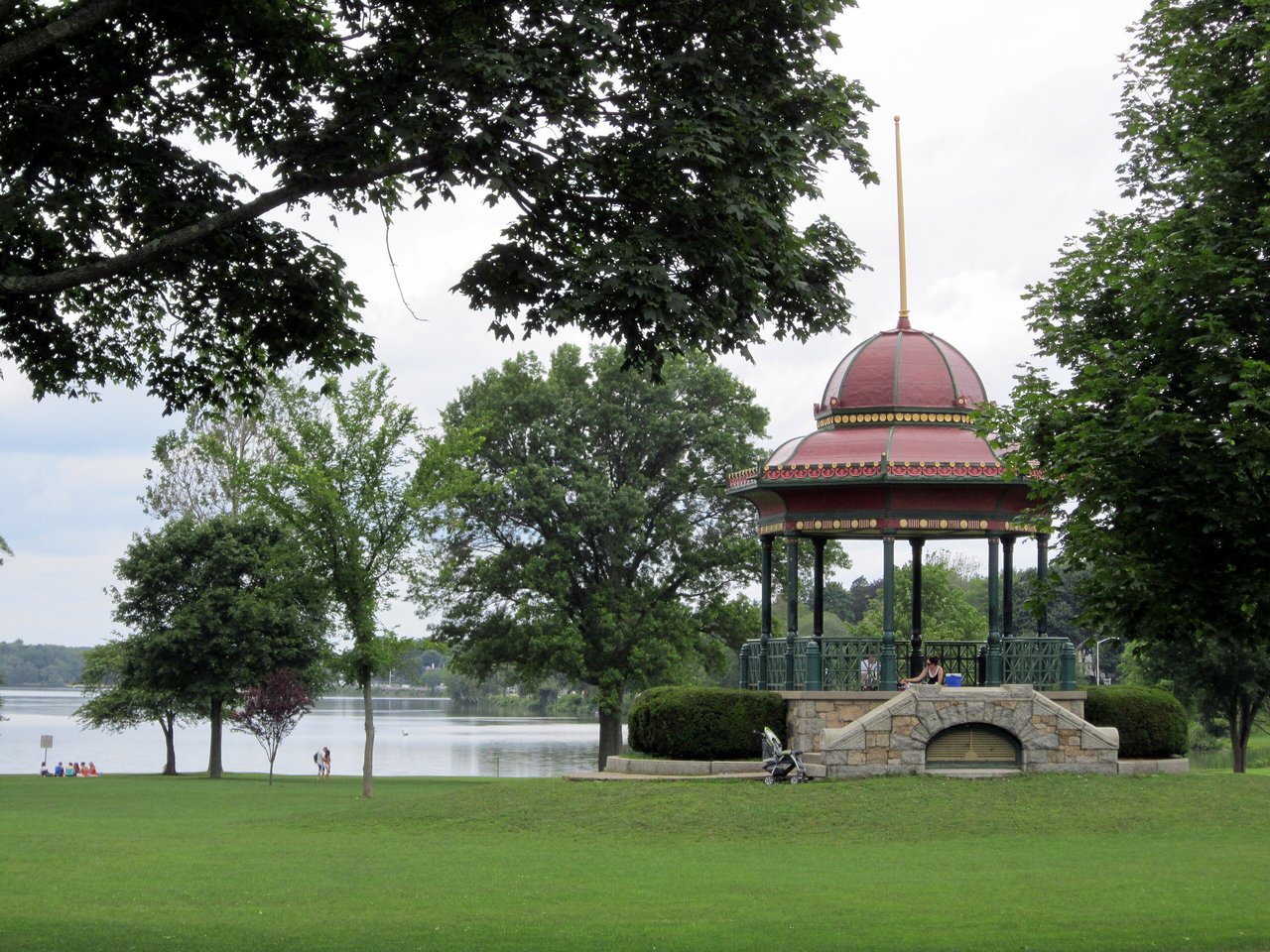
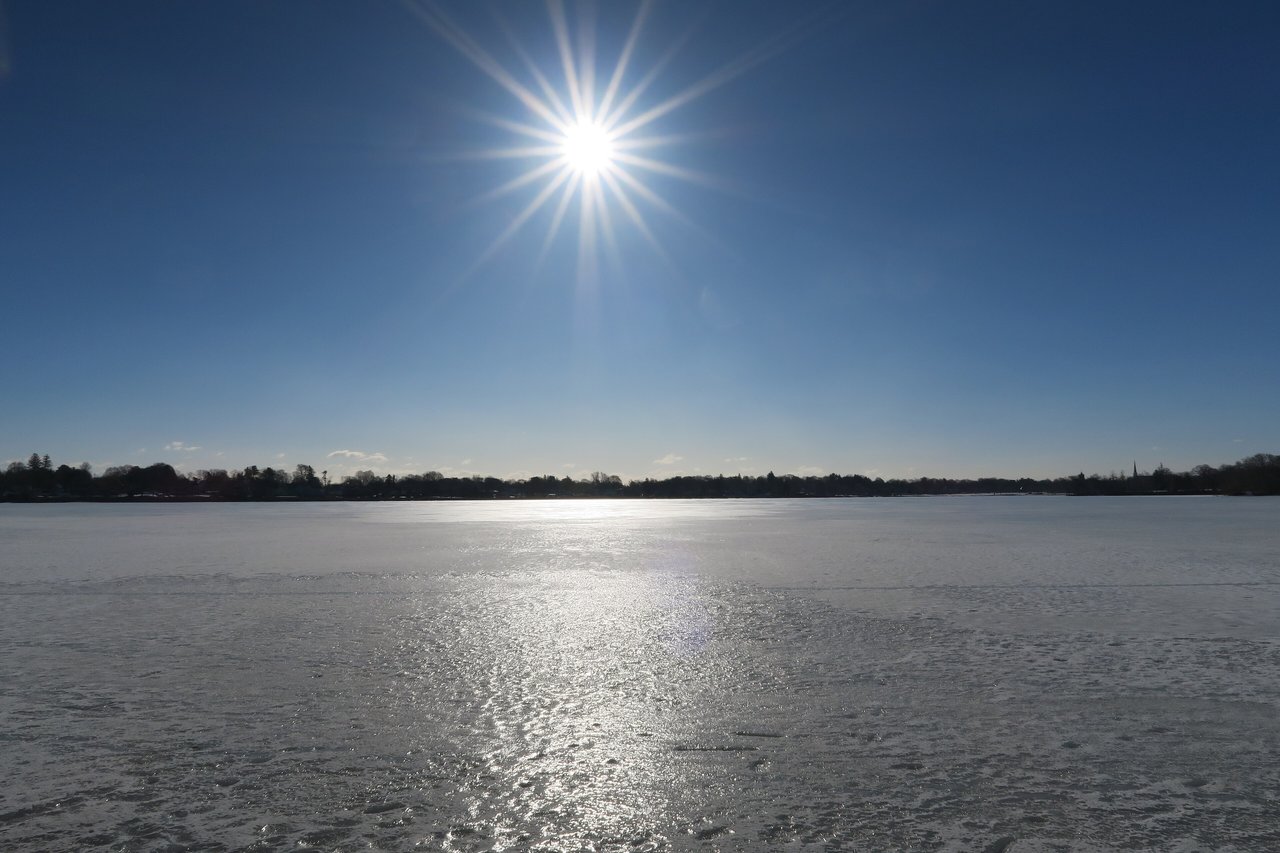
Lake Quannapowitt is the town's centerpiece, and its paved loop of about 3.6 miles is popular for walking and running. The lake is the source of the Saugus River, and the Quannapowitt Yacht Club and Wakefield Community Boating offer sailing, kayaking, paddleboarding, and pedal boats. The Wakefield Farmers Market and summer events such as Movies by the Lake gather along the shore.
From a Wakefield entrance on Hemlock Road, Breakheart Reservation offers wooded trails, supervised swimming at Pearce Lake, and hilltop views toward Boston. Crystal Lake, the source of the Mill River, has supplied town water since a pumping station was built on its shore in 1883. Main Street downtown has restaurants and shops near the lake.
What kinds of homes are in Wakefield?
Wakefield has Colonial and Federal houses from its early centuries, Greek Revival and Italianate homes from the railroad era, and Queen Anne and Colonial Revival two-family houses and cottages. Greenwood has Craftsman houses from the 1920s, and three-deckers line parts of Water Street.
How do you get to Boston from Wakefield?
The MBTA Haverhill Line stops at Wakefield and Greenwood stations, with service to North Station. MBTA bus route 137 connects with the Orange Line at Malden Center, and Interstate 93 leads south toward Boston.
How long is the walk around Lake Quannapowitt?
The paved loop around Lake Quannapowitt is about 3.6 miles and is popular for walking and running. Local boating groups also offer sailing, kayaking, and paddleboarding on the lake.
To see homes for sale in Wakefield, browse the listings below. Thinking of buying or selling in Wakefield? Call (617) 848-9616 or get a free home valuation. Wakefield is part of our North of Boston guide.
Photos: Elizabeth B. Thomsen, CC BY-SA 3.0 and John Phelan, CC BY 4.0, via Wikimedia Commons.
27,793 people live in Wakefield, where the median age is 42.4 and the average individual income is $67,454. Data provided by the U.S. Census Bureau.
Total Population
Median Age
Population Density Population Density This is the number of people per square mile in a neighborhood.
Average individual Income
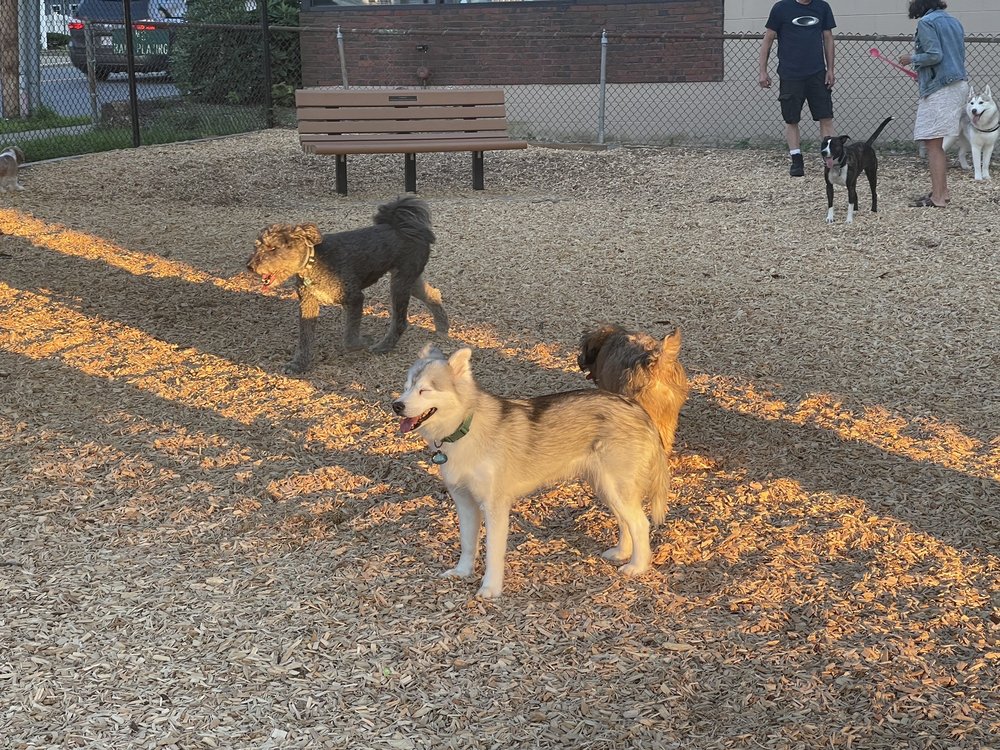
There's plenty to do around Wakefield, including shopping, dining, nightlife, parks, and more. Data provided by Walk Score and Yelp.
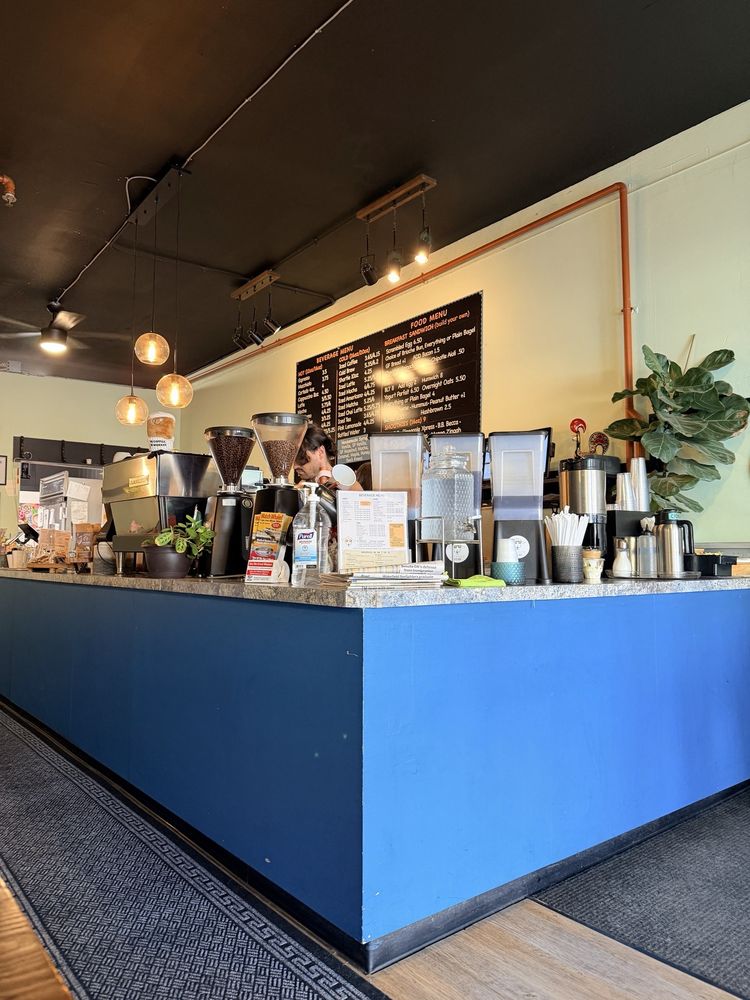
Explore popular things to do in the area, including Rise & Shine Coffee House, Honey Dew Donuts, and Colonial Lynnfield Restaurant.
| Name | Category | Distance | Reviews |
Ratings by
Yelp
|
|---|---|---|---|---|
| Dining | 0.23 miles | 27 reviews | 4.5/5 stars | |
| Dining | 0.24 miles | 4 reviews | 2.3/5 stars | |
| Dining · $$ | 1.44 miles | 0 reviews | 0/5 stars | |
| Active | 0.22 miles | 7 reviews | 3.9/5 stars | |
| Active | 0.58 miles | 6 reviews | 4/5 stars | |
| Beauty | 0.07 miles | 5 reviews | 5/5 stars | |
| Beauty | 0.26 miles | 5 reviews | 4.2/5 stars | |
| Beauty | 0.29 miles | 0 reviews | 0/5 stars | |
| Beauty | 0.33 miles | 2 reviews | 5/5 stars | |
| Beauty | 0.36 miles | 9 reviews | 5/5 stars | |
| Beauty | 0.37 miles | 9 reviews | 4.6/5 stars | |
| Beauty | 1.34 miles | 0 reviews | 0/5 stars | |
| Beauty | 1.44 miles | 8 reviews | 4.9/5 stars | |
| Beauty | 1.55 miles | 6 reviews | 4.5/5 stars | |
|
|
||||
|
|
||||
|
|
||||
|
|
||||
|
|
||||
|
|
Wakefield has 11,270 households, with an average household size of 2.43. Data provided by the U.S. Census Bureau. Here’s what the people living in Wakefield do for work — and how long it takes them to get there. Data provided by the U.S. Census Bureau. 27,793 people call Wakefield home. The population density is 3,759 and the largest age group is Data provided by the U.S. Census Bureau.
Total Population
Population Density Population Density This is the number of people per square mile in a neighborhood.
Median Age
Men vs Women
Population by Age Group
0-9 Years
10-17 Years
18-24 Years
25-64 Years
65-74 Years
75+ Years
Education Level
Total Households
Average Household Size
Average individual Income
Households with Children
With Children:
Without Children:
Marital Status
Blue vs White Collar Workers
Blue Collar:
White Collar: